Digital folklore has transformed the ancient tradition of sharing frightening tales around a fire into a sprawling online phenomenon. Creepypastas—user-generated horror stories accompanied by doctored screenshots, videos, and alternate reality games—thrive across forums, wikis, and social platforms. Some of the most enduring entries are rooted in video games, where the boundary between player and protagonist can blur in deeply unsettling ways. By 2026, these gaming creepypastas have been retold through video essays, fan mods, and even playable recreations, ensuring their eerie legacies remain alive.
| Creepypasta | Origin Game | Unsettling Premise |
|---|---|---|
| Ben Drowned | The Legend of Zelda: Majora's Mask | A haunted game cartridge holds the spirit of a drowned boy |
| Red | Godzilla: Monster of Monsters | A monstrous red entity appears trapped inside a modified NES game |
| Sonic.exe | Sonic the Hedgehog | A cursed CD contains a bloody-eyed Sonic that murders familiar characters |
| The Numbers Station | Fallout 3 | Glitched radio broadcasts send Morse code messages that predict dark events |
| Buried Alive | Pokemon Red and Blue | A cut zombie battle hidden atop Pokemon Tower ends with a gruesome game over |
| Herobrine | Minecraft | A white-eyed figure stalks players through the fog of an early build |
| Lone Wolf Radio | Fallout: New Vegas | An abandoned trailer hides a disturbing unused quest about a child murderer |
| Lavender Town Syndrome | Pokemon Red and Blue | The town's high-frequency music allegedly harms vulnerable listeners |
8. Ben Drowned
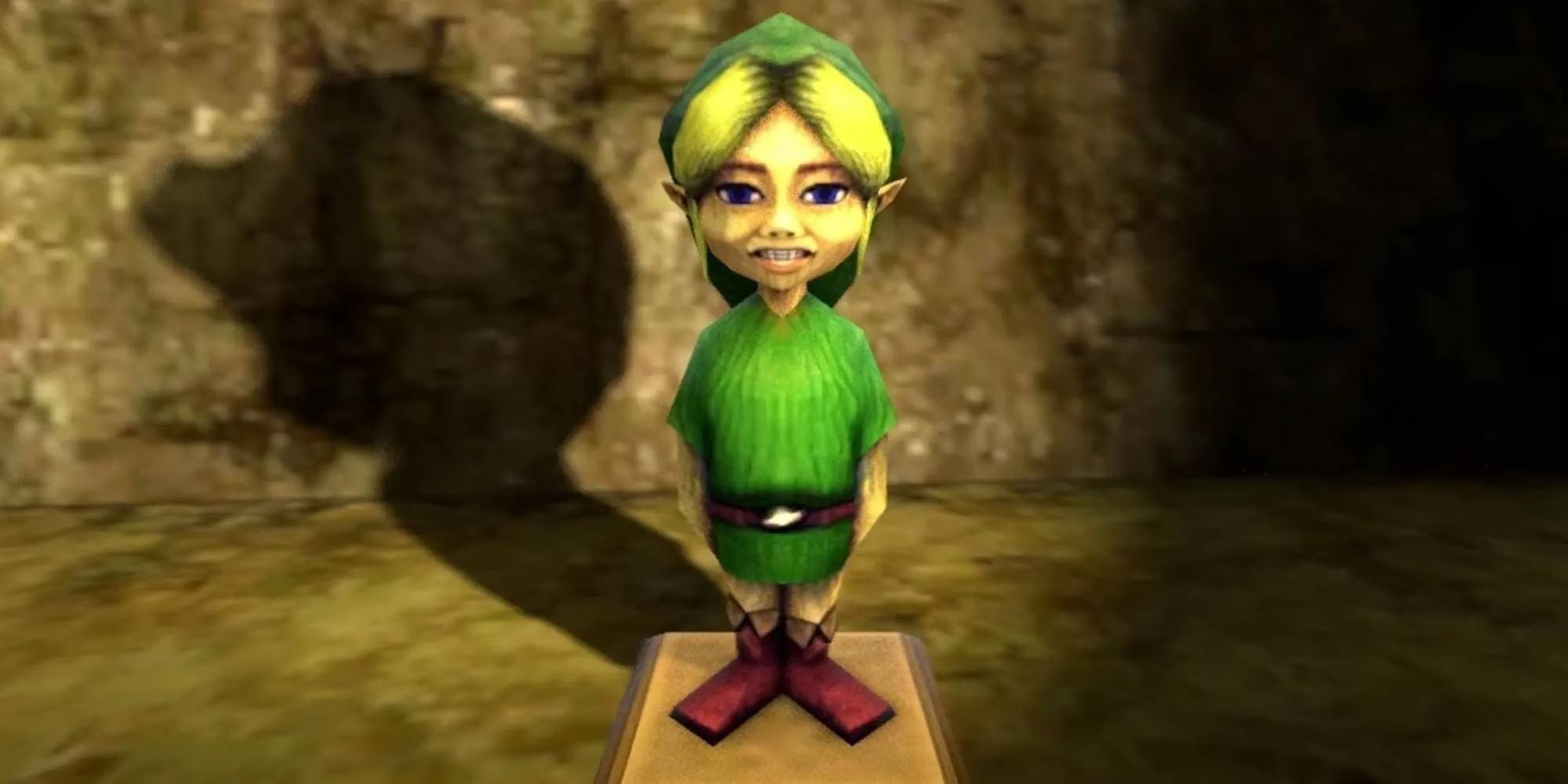
The Legend of Zelda: Majora's Mask already carries an ominous, melancholic atmosphere, making it fertile ground for digital horror. Ben Drowned turns that unease into a full narrative. The story centers on a child named Ben who is selected by a cult for a ritual involving drowning. According to the tale, Ben's spirit becomes sealed inside a Majora's Mask cartridge. When a college student acquires the haunted game, he uncovers the disturbing backstory through corrupted saves, warped textures, and unsettling character behavior. Iconic elements such as the Elegy of Emptiness statue represent Ben, while the Happy Mask Salesman appears as a conduit for a larger antagonist called The Father. The blend of Nintendo imagery with uncanny manipulation helped Ben Drowned become one of the most influential gaming creepypastas ever written.
7. Red

Some of the most chilling game-based legends emerge from obscure titles, and Red proves that obscurity can amplify dread. This creepypasta follows Zach, an adult revisiting a childhood favorite, Godzilla: Monster of Monsters on the NES. The game loads strangely, with altered stages and bizarre level names such as Entropy and Dementia. Soon a monstrous entity called Red appears and relentlessly pursues Godzilla. What elevates the fear is Red's apparent awareness of Zach himself. The creature seems to hear the player, compels him to keep playing, and even transfers physical pain when Godzilla takes damage. With modified screenshots supporting the story, Red feels like a cursed ROM unearthed from a forgotten corner of gaming history.
6. Sonic.exe

Sonic.exe is arguably the most recognizable video game creepypasta of all time and has developed into a franchise of its own. The original narrative follows Tom, a devoted Sonic the Hedgehog fan who receives a CD labeled Sonic.exe with instructions to destroy it. Driven by curiosity, he plays it instead. Inside the game, a twisted Sonic with bleeding eyes and a wide grin brutally murders Tails, Knuckles, and Robotnik. The story made excellent use of familiar sprites and classic gameplay, twisting childhood nostalgia into something menacing. Over time, Sonic.exe inspired sequels, fan art, and even a playable fan game that modified the original Sonic title. By 2026, the character has become a staple of analog horror and internet subculture.
5. The Numbers Station
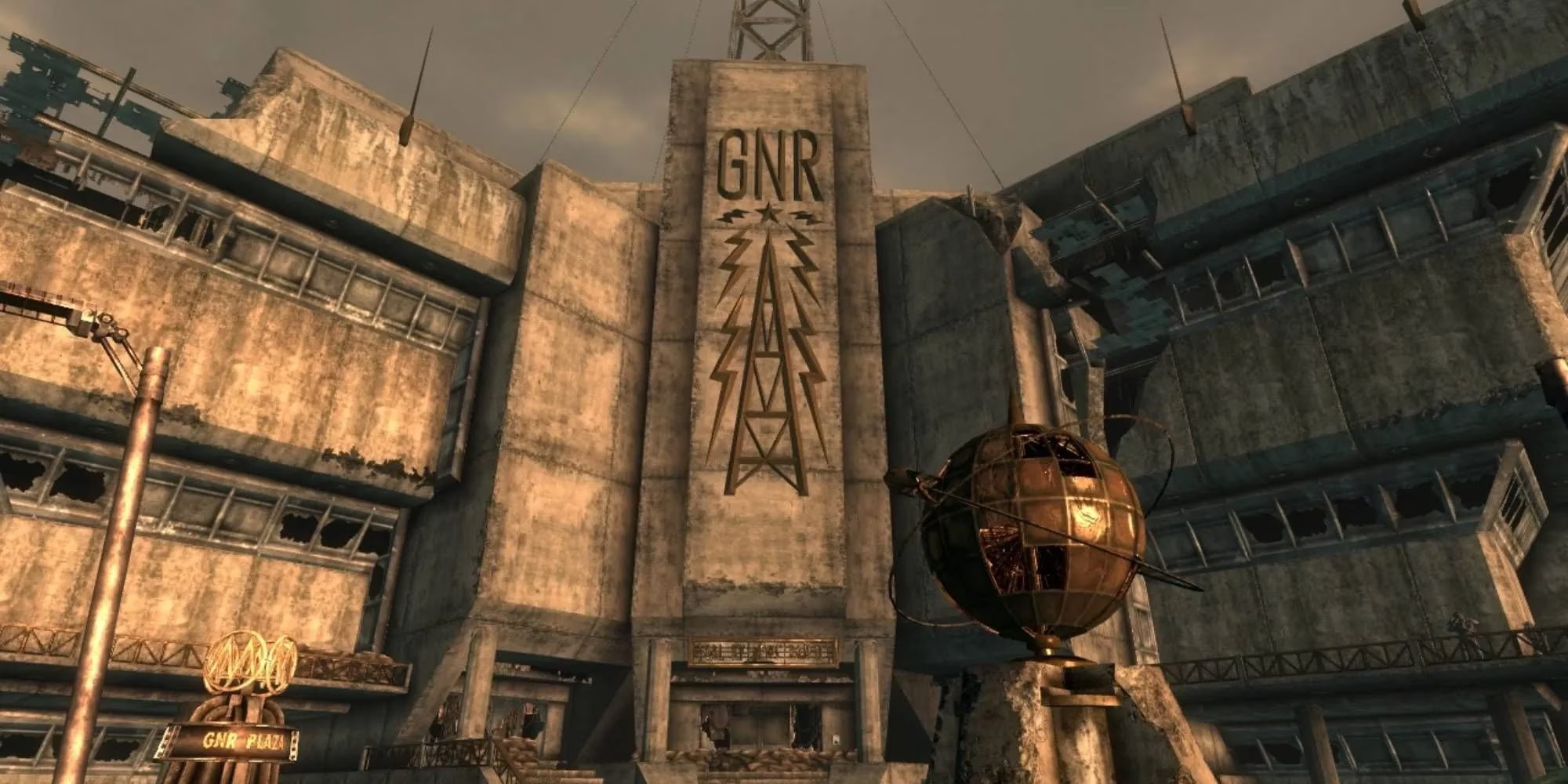
Fallout 3 already possesses a lonely, irradiated atmosphere, but The Numbers Station makes the Capital Wasteland feel even more haunted. In the story, a player kills Three Dog, only to discover that Galaxy News Radio remains active. The station glitches, and in certain locations it broadcasts Morse code messages that seem to predict future events while revealing fragments of the past. Decoded transmissions allegedly included references to historical deaths, including Queen Elizabeth II. The most disturbing message describes scientists pushing too far and causing the universe to unravel. Though the creepypasta is clearly fiction, it transforms an already desolate game world into a place where unseen forces broadcast cryptic warnings through static.
4. Buried Alive
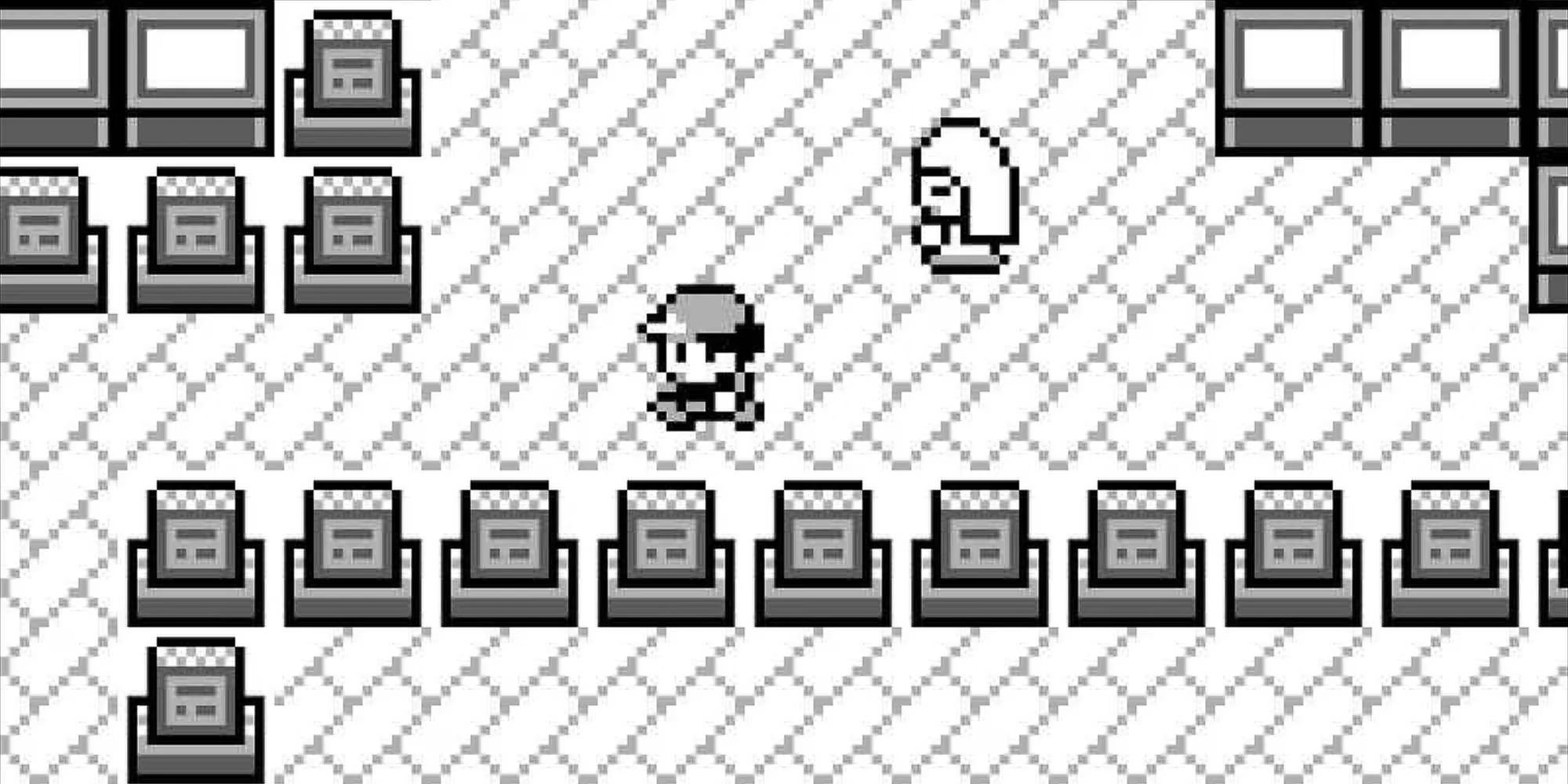
Pokemon Red and Blue are home to numerous eerie myths, and Buried Alive remains one of the most infamous. According to the legend, a cut encounter was hidden at the top of Pokemon Tower. A zombie would rise from the ground and attack the player, triggering a battle unlike anything else in the game. If the player lost, a horrifying Game Over screen appeared, showing the zombie consuming the protagonist while declaring that it had found fresh meat. The creepypasta included a custom sprite and a disturbingly detailed game over image, making the story feel like a suppressed secret buried inside the original code. It endures as an example of how childhood games can be reimagined into nightmare fuel.
3. Herobrine
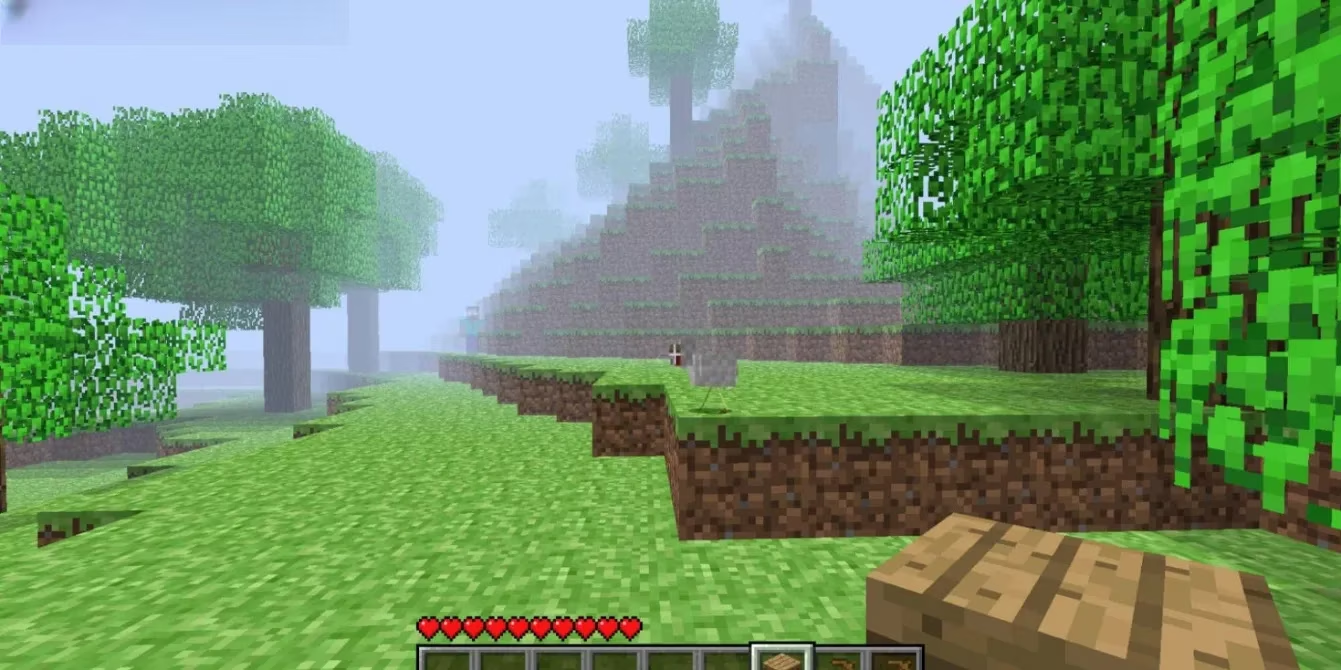
Anyone active on the internet during the early 2010s likely remembers Herobrine. The story began as a forum post from a player exploring a new Minecraft Alpha world. Through dense fog, the player spotted a distant figure and assumed it was an animal. Upon approaching, they realized it was another humanoid character staring back with blank white eyes. The player captured a screenshot and shared it online, but the thread was quickly deleted. A user named Herobrine reportedly messaged them to stop. Later, an email claimed Herobrine was the username of a Swedish gamer who was actually the deceased brother of Minecraft creator Notch. Although the story is untrue, Herobrine rapidly became an unofficial mascot, referenced in mods, merchandise, and countless Minecraft videos. The legend persists as one of gaming's most famous examples of collaborative digital mythmaking.
2. Lone Wolf Radio
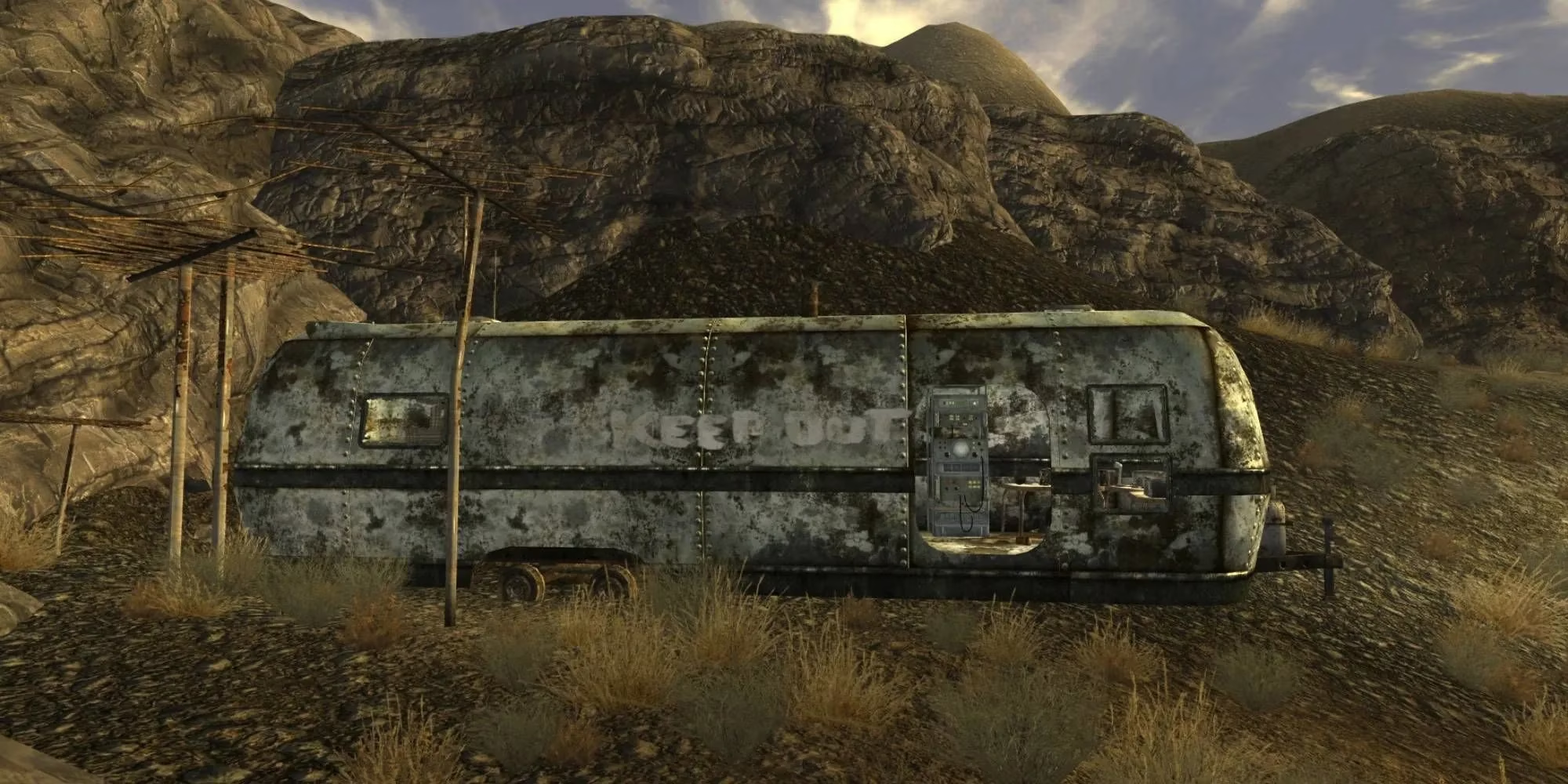
Lone Wolf Radio is one of the darkest gaming creepypastas connected to Fallout: New Vegas. The tale claims that the abandoned trailer known as Lone Wolf Radio was originally intended to feature a figure called The Lone Wolf who would murder a child on air every night. The planned quest would force players to choose between joining The Lone Wolf or executing him. Joining him allegedly required the player to kill a child character and would unlock a perk allowing the murder of other child NPCs. Though the supposed content was never implemented, the story lends a deeply unsettling aura to the lonely trailer and its surrounding desert. It reflects how cut content and abandoned locations can fuel powerful gaming folklore.
1. Lavender Town Syndrome
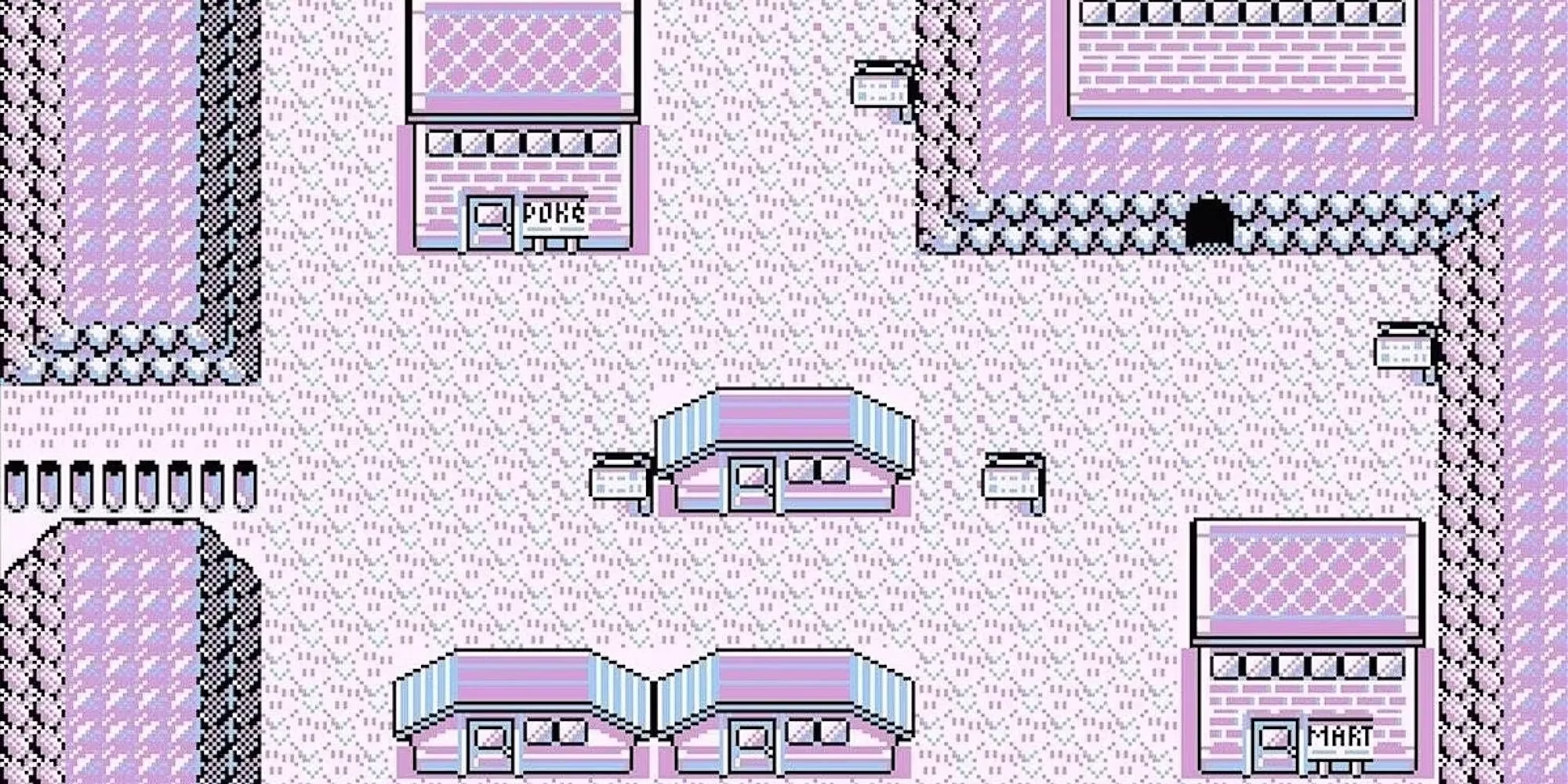
The most well-known Pokemon creepypasta is Lavender Town Syndrome, built around the somber village in Pokemon Red and Blue. The myth claimed that the original Lavender Town music contained high frequencies capable of causing headaches, nausea, illness, and even suicidal impulses among young players. For years, the story circulated widely, with listeners analyzing the chiptune melody and sharing claims of discomfort. While the legend has been thoroughly debunked, the Lavender Town theme remains iconic and strangely haunting. It demonstrates how audio design can become just as frightening as visual monsters, and how a simple piece of game music can evolve into a lasting piece of internet horror folklore.
These eight video game creepypastas illustrate the power of interactive media to generate fear. By combining familiar gameplay, corrupted visuals, and user participation, they transform beloved titles into vessels for dread. Even in 2026, they continue to inspire new fan projects, retrospectives, and retellings, proving that the scariest stories are often the ones players tell each other long after the screen goes dark.